Are you tired of dealing with a sluggish car battery that seems to give up at the most inconvenient times? You’re not alone.
A car battery is the heart of your vehicle’s electrical system, and when it starts to falter, it can disrupt your daily routine. But replacing it doesn’t have to be a daunting task. Imagine the freedom of knowing how to handle this common issue yourself, saving time and money while ensuring your car runs smoothly.
In this guide, you’ll discover the simple steps to replace your car battery effectively, even if you’re not a car expert. You’ll gain the confidence to tackle this task, making sure you’re never stranded with a dead battery again. Ready to empower yourself with this essential skill? Let’s dive in and get your car back to full power!
Tools And Materials Needed
Replacing a car battery is simple. First, gather the tools. You need a wrench and a screwdriver. Choose the right size for your battery terminals. Also, have gloves for safety. Batteries can be dirty. Keep a cloth handy to clean them.
Now, get the materials. A new battery is necessary. It should fit your car model. Check the specifications. You might also need battery terminal cleaner. This helps remove dirt. Lastly, have some grease. Grease prevents corrosion on the terminals.
Safety Precautions
Always park the car on a level surface. Turn off the ignition and remove the keys. This ensures safety while working on the battery. Use safety gloves and goggles. They protect your hands and eyes from acid and sparks. Keep metal objects away from the battery. Metal can cause short circuits. Ensure good ventilation in the area. Battery fumes can be harmful. Always read the car manual before starting. It gives specific guidelines for your car model.
Choosing The Right Battery
Picking the correct battery is important. Check your car manual for the right type. Batteries have different sizes and power. Make sure the battery fits your car. Look at the battery’s voltage and capacity. It should match your car’s needs. Find the battery’s group size. This ensures it fits in the battery tray.
Cold Cranking Amps (CCA) is another key feature. CCA tells how well the battery starts in cold weather. More CCA means better performance in cold. Reserve capacity is also important. It shows how long the battery can run if the alternator fails. Choose a battery with a good reserve capacity. Always check the battery’s manufacturing date. Newer batteries last longer.

Credit: www.wyotech.edu
Locating The Battery
The car battery is usually under the hood. Open the hood carefully. Look for a rectangular box with wires attached. It is often near the engine. Some cars have batteries in the trunk. Check the manual for exact location.
Safety is important. Wear gloves and goggles. Batteries can be heavy. Use both hands to lift. Avoid touching the terminals with bare skin. Keep away from metal to prevent sparks.
Note the battery type before removal. Types vary by car model. Write down the battery’s size and voltage. This helps when buying a new one. Take a picture for reference if needed.
Disconnecting The Old Battery
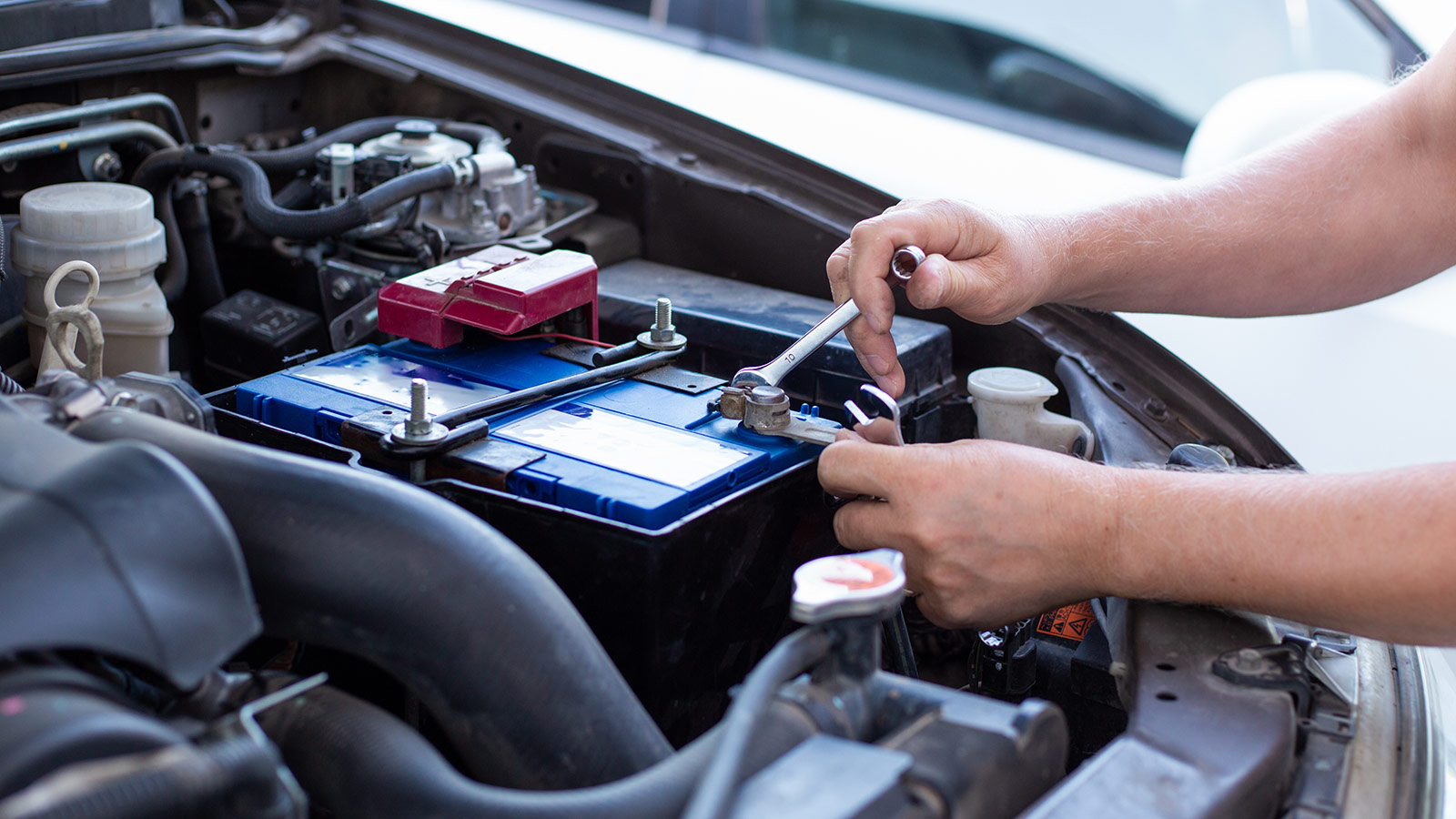
First, find the negative cable on the battery. It is usually black. The negative terminal often has a minus (-) sign. Use a wrench to loosen the bolt on the cable. Move the cable away from the battery. Ensure it does not touch any metal parts.
Next, locate the positive cable. This cable is usually red. The positive terminal often has a plus (+) sign. Use the wrench to loosen the bolt here too. Slide the cable off the battery. Keep it away from any metal parts. Make sure both cables do not touch.
Credit: auto.howstuffworks.com
Removing The Old Battery
First, turn off the car. Make sure the engine is not running. Next, open the car hood. Locate the battery. It is usually near the engine. Look for the negative cable. It is black. Use a wrench to loosen it. Remove the negative cable first. This keeps you safe. Now, find the positive cable. It is red. Loosen it too. Carefully remove the positive cable.
The battery is heavy. Lift it with both hands. Place it on the ground. Do not tilt the battery. It can spill acid. Be careful. Dispose of the old battery properly. Take it to a recycling center. This helps the environment.
Installing The New Battery
Place the new battery in the battery tray. Ensure it is secure and level. A secure battery won’t move when driving. This keeps everything safe and sound. Double-check its position before proceeding.
Find the positive terminal on the battery. It often has a red cover. Connect the positive cable to this terminal. Make sure it is tight and secure. Loose cables can cause problems. Use a wrench if needed.
Locate the negative terminal on the battery. It usually has a black cover. Attach the negative cable to this terminal. Ensure it fits snugly and tightly. This completes the connection. Now, your battery is ready to use.
Securing The Battery
First, make sure the car is parked on a flat surface. This helps keep the battery from moving. Use a wrench to tighten the battery clamp. The clamp holds the battery in place. Check if the battery is stable. If it moves, adjust the clamp again. A loose battery can be dangerous. It might cause problems.
After securing, check the battery cables. Ensure they are tight. Loose cables can stop the car from starting. Finally, close the hood of the car gently. Make sure everything is in place before starting the engine. A secure battery is very important for safety.
Testing The Installation
Testing the battery installation is important. Start by turning on the car. Check if the engine starts smoothly. Listen for any unusual sounds. Look at the dashboard lights. Ensure they are working correctly. Observe the headlights and interior lights. They should be bright. If they flicker, check the connections. Inspect the battery terminals. They should be tight and secure. Make sure the battery is not moving around. A loose battery can cause problems. Confirm everything is in place. Drive the car for a few minutes. Pay attention to how it feels. If something seems wrong, recheck the installation. Testing ensures the car runs well. Keep an eye on the battery’s performance. Regular checks can prevent future issues.

Credit: shop.advanceautoparts.com
Proper Disposal Of Old Battery
Car batteries can harm the environment. They have chemicals and heavy metals. It’s important to dispose of them the right way. Many auto shops offer recycling services. This is a safe option. Also, some towns have recycling centers. They take old batteries. Never throw a battery in the trash. It can leak and cause damage. Protect our earth by recycling.
Ask local authorities for guidance. They can direct you to the right place. Always wear gloves when handling the battery. This keeps your hands safe. Safety is important for everyone. Let’s keep our planet clean!
Frequently Asked Questions
How Do I Know My Car Battery Needs Replacement?
Check for slow engine start, dim lights, or corrosion. These signs indicate battery problems and may need replacement.
Can I Replace A Car Battery Myself?
Yes, you can. Wear gloves and eye protection. Follow the step-by-step guide in the blog for safe replacement.
What Tools Are Needed To Replace A Car Battery?
You’ll need a wrench, gloves, and safety goggles. These tools ensure a safe and efficient battery replacement process.
Conclusion
Replacing a car battery doesn’t have to be hard. Follow these steps carefully. Ensure you have the right tools. Always wear safety gear to protect yourself. Check the battery size before buying a new one. Disconnect the cables in the correct order.
Install the new battery securely. Test the car to confirm it starts. Dispose of the old battery responsibly. This simple task saves time and money. Enjoy a smooth ride with your new battery. Regular checks prevent future issues. Keep your car running efficiently.
Take care of your vehicle. Happy driving!


